
A salon consultation is a structured conversation between a stylist and a client that happens before any service begins. Done well, it sets expectations, builds trust, and ensures the client leaves happy. Done poorly — or skipped entirely — it is the single biggest source of client complaints, refund requests, and one-visit clients who never return. This guide walks through a proven consultation framework used by high-retention Indian salons, from preparation to post-visit follow-up.
Why Do Most Salon Consultations Fail to Convert Clients?
Most salon consultations fail for the same three reasons: they are rushed, they are one-sided, and they happen without any record being kept. A stylist who jumps straight into a service without a proper conversation is guessing at what the client wants. When the result does not match the mental image the client had, there is disappointment — even if the technical work is excellent. Research on service industry retention consistently shows that unmet expectations, not poor service quality, drive most client churn. In Indian salons, where word-of-mouth referrals are the primary growth channel, a single bad experience spreads quickly. The fix is not better technical skill — it is a better consultation process, consistently applied to every client, every visit.
How Should a Salon Prepare Before a Client Arrives?
Preparation is the difference between a professional consultation and a casual chat. Before the client walks in, the stylist should already know their service history, previous notes, preferred products, and any concerns flagged in past visits. This is where your appointment management system pays for itself — client profiles store everything from last visit notes to allergies to the specific colour formula used six months ago. When a stylist greets a returning client by name and references their last appointment, trust is established in the first thirty seconds. For new clients, preparation means reviewing the booking notes they submitted online and having a blank consultation card ready to fill in. Salons that prepare this way spend less time gathering information during the appointment and more time building the client relationship.
What Is the Right Framework for a Salon Consultation?
A repeatable 7-step framework ensures nothing is missed and the client feels heard throughout:
- Warm greeting and seating — Bring the client to a consultation chair, not immediately to the styling chair. This physical cue signals that the conversation is important and unhurried.
- Lifestyle assessment — Ask about their daily routine, how much time they spend on their hair or skin at home, their job, upcoming events. A bride has different needs than a corporate professional who travels every week.
- Service history and concerns — What have they had done before? What did they love? What did they want to change? Listen more than you speak here.
- Visual reference check — Ask them to show inspiration photos if they have any. Photos eliminate mismatched language — what a client calls "light brown" and what a stylist calls "light brown" are often very different shades.
- Honest recommendation — Present what is achievable given their current hair condition, budget, and maintenance willingness. If their goal requires three sessions, say so now. Surprises destroy trust.
- Pricing and time transparency — State the price and duration clearly before proceeding. Clients who feel blindsided by the bill will not return, even if they were happy with the result.
- Confirmation and booking — Close with a clear agreement on what will be done today and book the next appointment before the client leaves the chair.
Track outcomes from each consultation in your salon analytics dashboard — conversion rate from consultation to service, average ticket size by consultation type, and rebooking rate. This data tells you which stylists need additional consultation training and which service types have the highest drop-off.
What Active Listening Techniques Work Best in a Salon?
Active listening in a salon context means asking open-ended questions and then genuinely processing the answer before responding. Instead of "Do you want layers?" ask "What bothers you most about how your hair looks right now?" The first question puts words in the client's mouth. The second gives you real information to work with. Mirroring is another effective technique: briefly repeat back what the client said in your own words before giving your recommendation. "So you want something that looks polished for work but takes no more than ten minutes to style in the morning — is that right?" This confirms understanding and makes the client feel heard. Take notes during the consultation and read them back before starting. Use your client retention tools to save these notes against the client's profile so the information carries forward to every future visit.
How Do You Handle the Four Most Common Client Objections?
Even after a thorough consultation, some clients will hesitate. Here are the four objections Indian salon clients raise most often — and how to handle them without applying pressure:
"It's too expensive"
Break the service into a cost-per-week or cost-per-use framing. A colour treatment that lasts eight weeks at ₹3,000 is ₹375 per week — less than a daily chai habit. Show before/after photos of the same treatment on a similar hair type to make the value concrete.
"I don't have time today"
Offer to book a future appointment now and confirm it with a WhatsApp reminder. A client who leaves without booking will often not return. A future booking with a confirmed time costs you nothing and guarantees the revenue.
"I need to think about it"
Acknowledge the hesitation without pushing. Ask what specific concern is making them pause — it is almost always price, time, or uncertainty about the result. Address that specific concern with a clear, direct answer. If they still want time, collect their number and follow up with a WhatsApp message the same evening with a photo reference or a limited-time offer.
"I'm worried about damage"
This is the most trust-sensitive objection. Respond with specifics, not reassurances. Explain exactly which products will be used, why they are safe for the client's hair type, and what aftercare is required. Show a patch test if relevant. Vague assurances like "don't worry, it will be fine" increase anxiety rather than reduce it.
How Do You Close a Consultation and Confirm the Booking?
The close of a consultation should feel natural, not transactional. After presenting your recommendation and addressing any concerns, summarise what you have agreed: "So today we are doing a keratin treatment — it will take about two hours and cost ₹4,500. Your next session would be in three months. Shall I get started?" A clear, specific summary leaves no ambiguity and naturally leads to a yes or a final objection you can address. If the client agrees, move them to the styling chair immediately — momentum matters. Before they leave, book their next appointment directly from your billing and booking system. Clients who leave with a confirmed future appointment have a significantly higher return rate than those who leave without one, because the decision to return is already made while their satisfaction is at its highest.
Why Does Post-Consultation Follow-up Matter?
The consultation does not end when the client leaves. A follow-up message sent 24–48 hours after the appointment has two purposes: it checks that the client is happy with the result, and it keeps the salon top of mind before any dissatisfaction has time to grow into a complaint. A simple WhatsApp message — "Hi [Name], hope you're loving your new look! Let us know if you have any questions about aftercare. See you in 8 weeks for your colour refresh!" — takes ten seconds to send and has an open rate above 90%. Automate this with WhatsApp automation so every client receives a follow-up without the stylist having to remember to send it manually. Salons using automated post-visit messages report stronger rebooking rates and fewer negative reviews, because problems are caught and resolved before the client posts publicly.
How Can Salons Measure Whether Their Consultation Process Is Working?
Three numbers tell you whether your consultation process is effective: consultation-to-booking conversion rate (what percentage of consultations result in a same-day service), average ticket size (are consultations leading to upsells and add-ons?), and 60-day return rate (do clients come back after their first visit?). Track these monthly in your salon's analytics dashboard and compare them by stylist. If one stylist consistently converts more consultations than others, document their process and train the team on it. If your 60-day return rate is below 40%, the consultation process is the first place to investigate — not marketing, not pricing, not social media. A client who felt truly heard during their consultation will return. A client who felt rushed or confused will not.
Consultation Quick Reference
- ✓ Review client history before they arrive
- ✓ Use a consultation chair, not the styling chair
- ✓ Ask for photo references — never assume shared vocabulary
- ✓ State price and duration before starting
- ✓ Book the next appointment before the client leaves
- ✓ Send a WhatsApp follow-up within 48 hours
Ready to Streamline Your Consultation Process?
SalonBoost gives you client profiles, consultation notes, automated follow-ups, and booking — all in one place. Starting at ₹799/month.
Related Guides
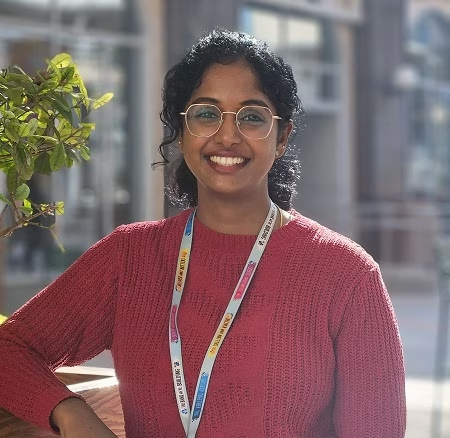
Founder & CEO, SalonBoost
Swetha has helped 500+ salons and spas streamline operations with SalonBoost salon management software. She writes about salon growth strategies, WhatsApp automation, and the Indian beauty industry.